

Solid Wood Tables for Everyday Living: Home Care & Maintenance Guide
Solid wood tables play an essential role in everyday family life. Whether used as a coffee table in the living room, a side table beside the sofa or bed, or a dining table at the heart of shared meals, these pieces combine function, comfort, and natural beauty. With proper daily care and thoughtful maintenance, solid wood furniture can remain stable, beautiful, and reliable for many years in a home environment.
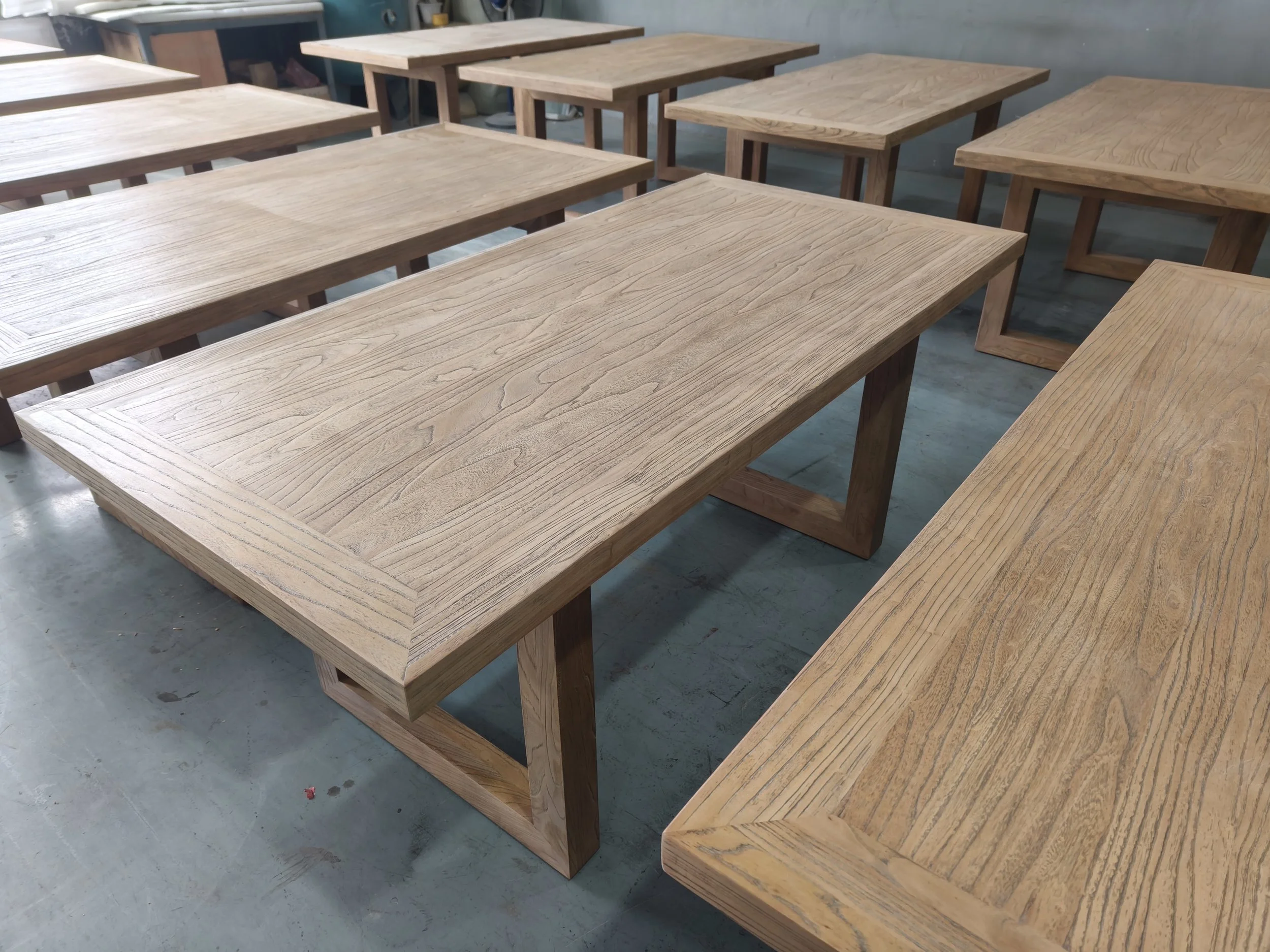
Understanding Solid Wood in Daily Use
Solid wood is a natural material that responds to its surroundings. Changes in temperature, humidity, and daily usage patterns all influence how wood ages over time. This natural behavior is part of what gives solid wood furniture its character, but it also means that mindful use is key to long-term performance.
In family settings, solid wood tables are designed to support daily activities such as dining, reading, working, and relaxing. Evenly distributing weight on tabletops and avoiding excessive pressure in one area help maintain structural balance and reduce unnecessary stress on the wood.
Everyday Use Tips for Coffee Tables, Side Tables, and Dining Tables
Coffee tables are often used for books, decorative objects, trays, and casual dining. To protect the surface, it is recommended to use coasters or trays, especially for drinks and small accessories.
Side tables frequently come into contact with lamps, cups, and personal items. Using protective pads under lamps and avoiding direct contact with hot or wet objects helps preserve the finish.
Dining tables experience the most frequent use in a household. Placemats, tablecloths, or heat-resistant pads are highly recommended to protect the surface from heat, spills, and scratches during meals.
Cleaning and Daily Care
For routine cleaning, a soft dry cloth or a lightly damp cloth is sufficient for all solid wood tables. After wiping, always dry the surface thoroughly to prevent moisture from seeping into the wood.
Avoid harsh household cleaners, alcohol-based sprays, or abrasive tools. These products may damage the surface finish and gradually dull the natural tone of the wood.
Prompt cleaning of spills—especially water, oil, or acidic liquids—helps prevent staining and ensures the tabletop remains smooth and even over time.
Long-Term Maintenance and Surface Care
Depending on the surface finish, solid wood tables may benefit from periodic maintenance using professional wood care products. Natural oil or wax finishes can be refreshed occasionally to nourish the wood and enhance its texture.
For most family homes, light maintenance every 6 to 12 months is sufficient to keep solid wood tables looking their best.
Minor marks and signs of use are a natural part of everyday living and often add warmth and character to solid wood furniture rather than detract from its beauty.
Environmental Placement and Home Conditions
To maintain stability, avoid placing solid wood tables in direct sunlight or near heating and air-conditioning vents. Excessive heat or rapid humidity changes may cause the wood to expand, contract, or develop surface cracks.
A comfortable indoor humidity level between 40% and 60% supports the long-term health of solid wood furniture in home environments.
Caring for Furniture as Part of Daily Life
Solid wood tables are designed to age gracefully with the household. With simple daily habits—gentle cleaning, protective accessories, and stable placement—these pieces can remain a lasting part of family life, developing a richer character over time while maintaining their structure and function.