

Australian Furniture Retailer Case Study: From Cautious Evaluation to Long-Term Partnership
For many furniture retailers and sourcing managers, developing a new product is rarely the biggest challenge. The real challenge is finding a supplier capable of supporting long-term growth with reliable quality, consistent delivery, and scalable production capacity.
This was exactly the situation we encountered when working with an Australian furniture retailer operating more than 30 stores across the country.
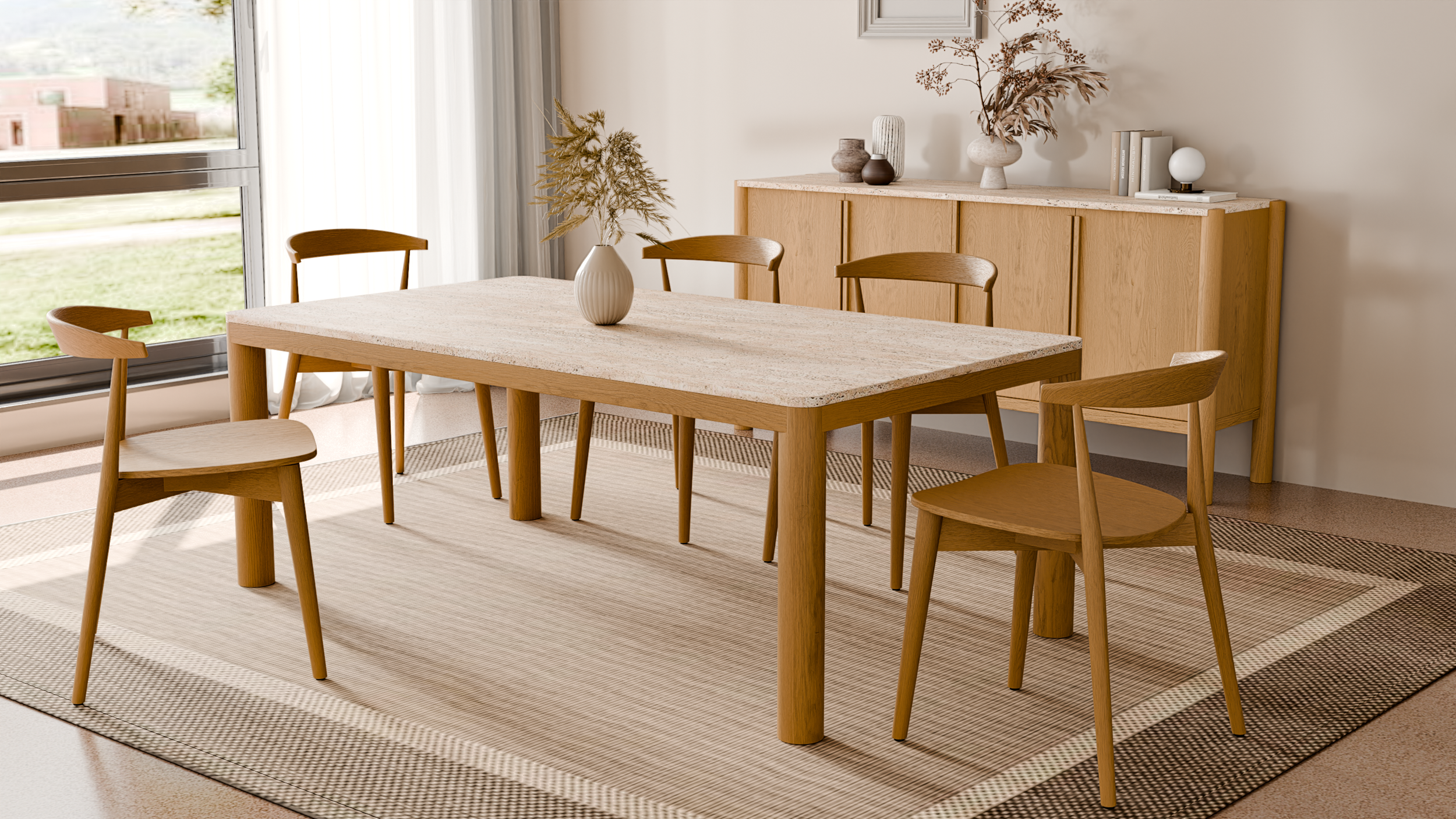
As the company expanded its presence in the mid-to-high-end furniture market, it planned to introduce a new collection of oak furniture designed to appeal to consumers seeking natural materials, modern aesthetics, and long-lasting quality.
However, before moving forward, the client had one major concern:
Could the supplier continue delivering reliably as order volumes increased?
Project Background
Before engaging with us, the client had evaluated multiple furniture manufacturers across Asia.
With a nationwide retail network to support, they understood that a delayed shipment could affect far more than a single purchase order. It could disrupt inventory planning, store promotions, customer satisfaction, and ultimately brand reputation.
As a result, they approached supplier selection with extreme caution.
To support the project, our team first conducted extensive market research and product planning tailored to the Australian market.
Understanding the Australian Market
Through research on leading furniture retailers, consumer reviews, and market trends, we identified several key opportunities. Solid oak furniture continued to perform strongly in the Australian mid-to-premium segment. Consumers increasingly valued natural wood grain, durability, and timeless design. Warm brown and medium-dark oak finishes were becoming more popular across residential interiors. Clean lines, rounded edges, and contemporary organic forms were gaining significant market appeal.
In addition to online research, we visited retail showrooms and furniture stores to study wood grain presentation and material quality, surface finishing techniques, hardware specifications, and product detailing and user experience.
Based on these findings, we developed several oak furniture concepts aligned with the client's brand positioning and target customer profile.
Building Trust Through Product Development
Before beginning the design process, we conducted a detailed analysis of the client's existing product portfolio, including material mix, price positioning, design direction, and target consumer demographics.
Based on this analysis, we proposed several new oak furniture collections and refined product dimensions, finishes, structures, and packaging specifications to fit the client's requirements.
The project then moved into the development phase.
To ensure the products achieved both aesthetic appeal and long-term durability, multiple rounds of refinement were completed.
Structural improvements focused on enhancing load-bearing performance, reducing the risk of long-term deformation, and improving ergonomic comfort. Design refinements were made to create softer rounded edge details, improve visual balance and proportions, and achieve a lighter and more contemporary appearance.
Throughout development, the project went through multiple design review rounds, structural optimization stages, and appearance refinement stages.
The final samples received positive feedback from the client.
However, the most important challenge was still ahead.
The Client's Biggest Concern: Future Supply Capacity
Because this was the client's first oak furniture program of this scale, they remained cautious throughout the development process.
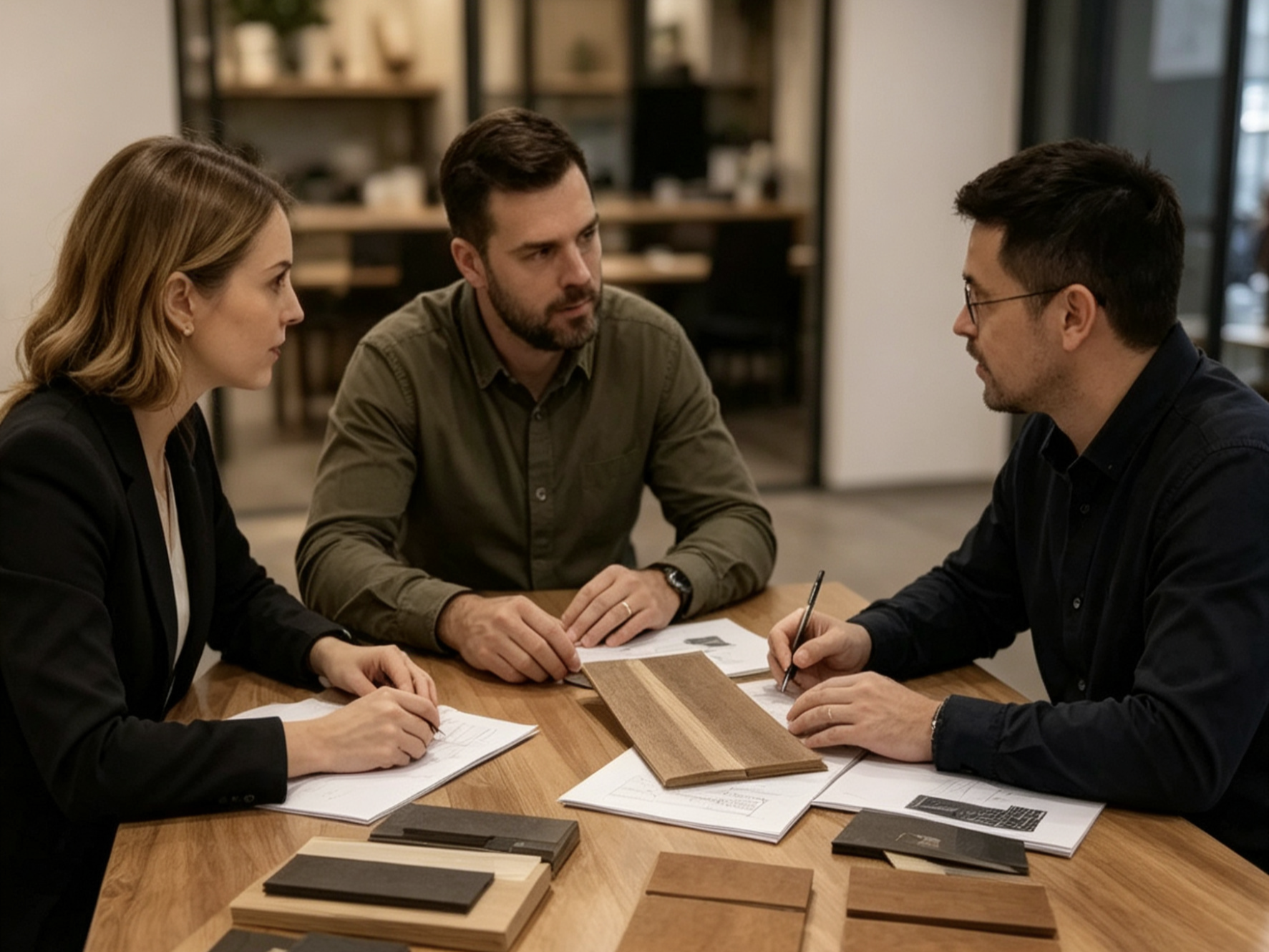
In fact, during the two to three months of discussions, they continued evaluating alternative suppliers and consistently raised questions about production capacity, peak-season stability, scalability under doubled demand, and experience with multi-store retail programs.
Ultimately, all these questions pointed to one issue:
Could we be trusted as a long-term supply partner?
During the Shanghai Furniture Fair, we invited the client to visit our showroom. Rather than focusing on marketing materials, they carefully examined product construction, wood grain quality, finishing details, and craftsmanship.
Following the exhibition, they approved the development of production samples.
Once the samples were completed, we invited the client to visit our factory for a firsthand assessment.
Demonstrating Real Production Capability
During the factory visit, the client asked a straightforward question:
"If our business grows significantly, can you continue supplying us reliably?"
Instead of relying on presentations or capacity figures, we chose to demonstrate our capabilities through complete transparency.
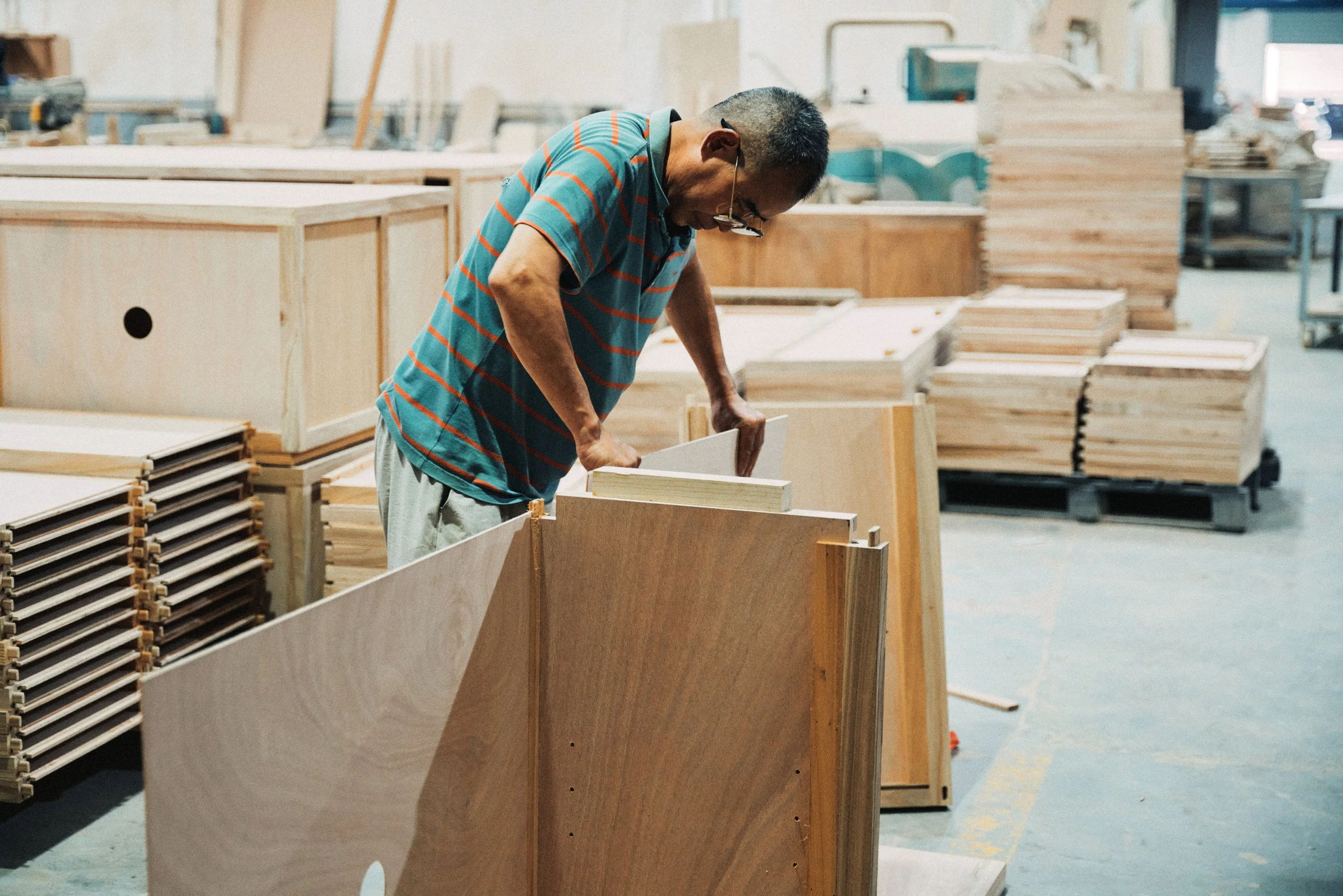
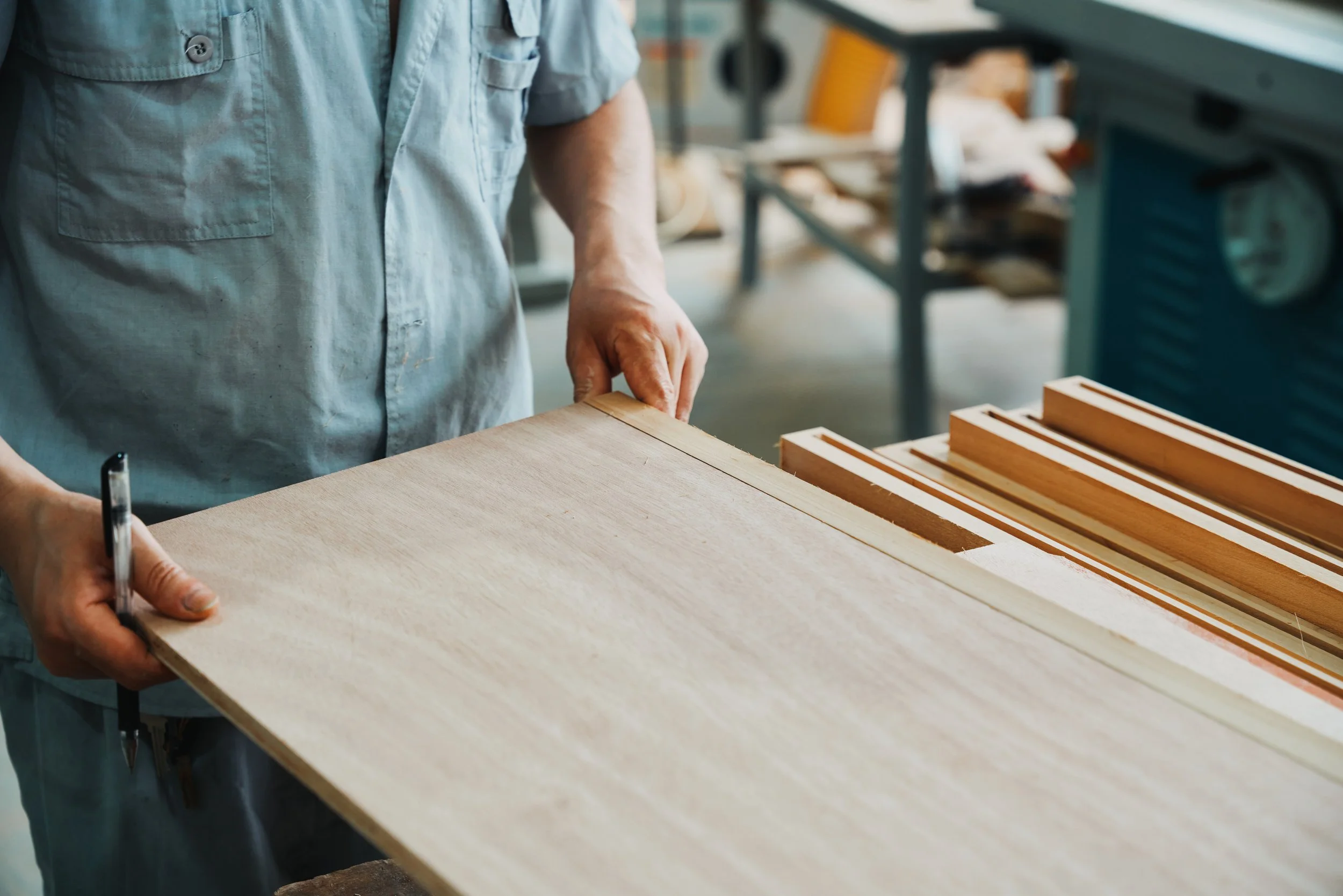
The client was guided through every stage of production, including timber processing, assembly, sanding, finishing, packaging, and container loading.
We also shared real operational information such as orders currently in production, upcoming shipment schedules, production planning systems, quality control procedures, and warehouse and supply chain management processes.
What the client saw was not a sales presentation, but a functioning production system with proven operational discipline.
Addressing Concerns About Scalability
During the visit, the client raised another critical question:
"If sales continue growing, can lead times be shortened?"
Rather than offering a simple promise, we conducted a detailed assessment together with our production team.
We also shared a real example from an existing customer who had placed multiple additional container orders during peak season. Through advance material purchasing, production planning optimization, and dedicated project management, all orders were delivered on schedule.
Using similar strategies, we developed a tailored supply plan for the Australian retailer.
We implemented advance material planning by maintaining safety stock for frequently used oak materials to reduce procurement lead times. We adjusted production capacity allocation by reserving manufacturing space for key projects to minimize peak-season risks. We assigned a dedicated project manager to ensure full-process coordination from order confirmation to shipment. Through continuous process optimization and planning efficiency improvements, we reduced lead times from approximately 75–80 days to 60–65 days.
The client was not presented with promises. They were presented with a practical and proven solution.
This became the turning point in establishing trust.
Results: From Initial Trial Orders to Long-Term Partnership
Following the factory visit, the client officially confirmed the partnership.
Multiple oak furniture collections entered mass production and were successfully launched across the Australian market.
As sales grew, order volumes continued to increase, while deliveries remained on schedule.
What began as a cautious trial project evolved into a long-term strategic partnership.
Today, we are not only a furniture supplier to this client, but also a trusted development and manufacturing partner supporting the growth of their oak furniture category.
Why Did the Client Choose Us?
Looking back, the client's decision was not based solely on product design. More importantly, throughout the project they saw the core capabilities required of a dependable long-term manufacturing partner.
A complete product development system from market research to production-ready samples. Transparent and well-structured manufacturing management processes. Proven delivery performance backed by real project experience. Practical solutions for scaling production as business grows. A partnership mindset focused on long-term success rather than short-term transactions.
For furniture retailers, selecting a supplier is not simply choosing a factory. It is choosing a partner capable of supporting future growth.
In this project, we helped the client develop a successful oak furniture collection, but more importantly, we helped establish a stable, scalable, and reliable supply chain foundation.
That is why the relationship evolved from an initial product development project into a long-term strategic partnership.
We believe the best furniture manufacturers do more than produce furniture. They help clients reduce supply chain risk, strengthen market competitiveness, and build a foundation for sustainable growth.