

What is the best shape for a side table?
Side tables may be small, but they play an important role in both the functionality and visual balance of a space. When choosing a side table, many people focus on material or color, yet often overlook a key factor: shape.
So, what is the best shape for a side table? The truth is, there is no single correct answer. The ideal shape depends on your space, how you plan to use it, and how it works with the surrounding furniture. Below is a practical, easy-to-understand guide to help you choose.
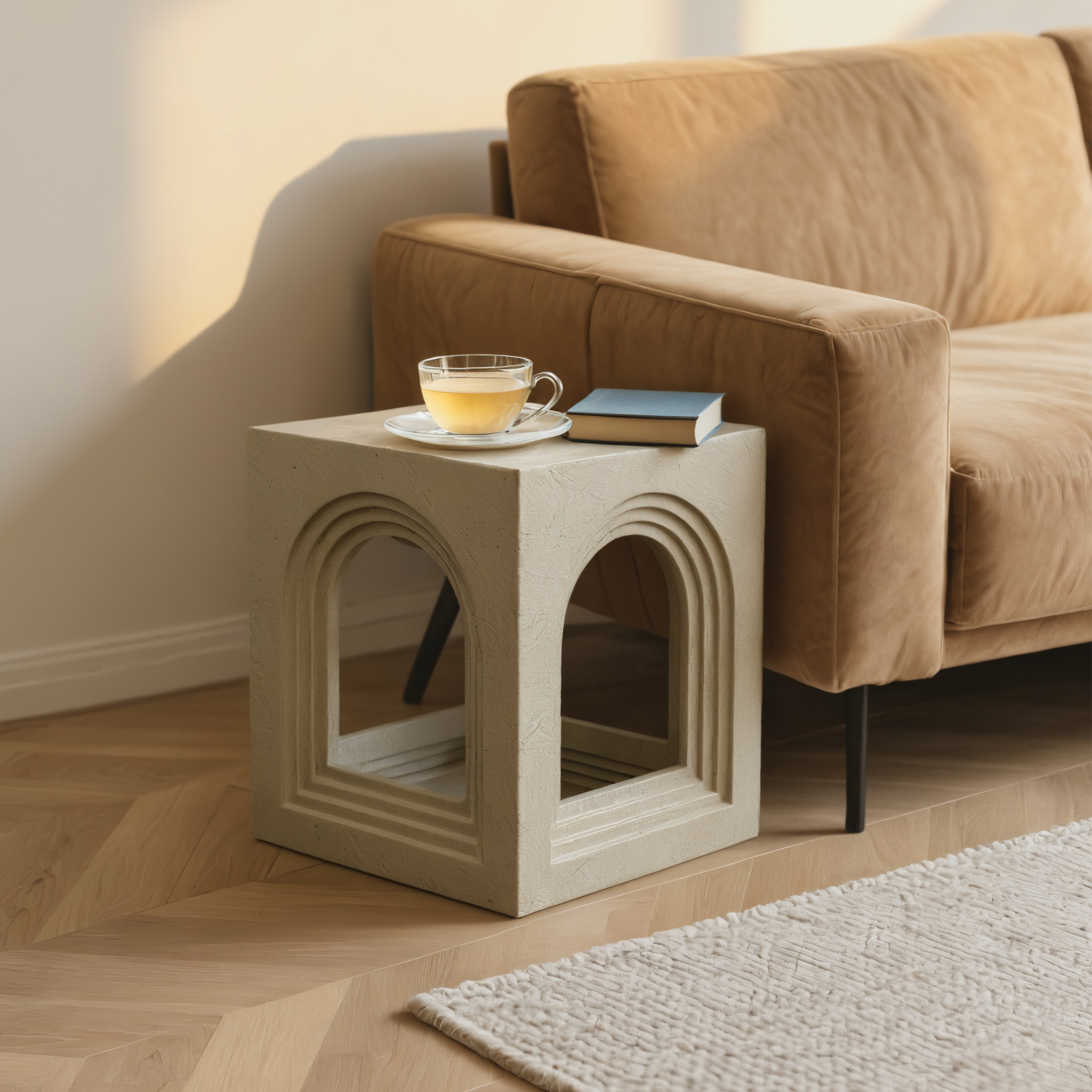
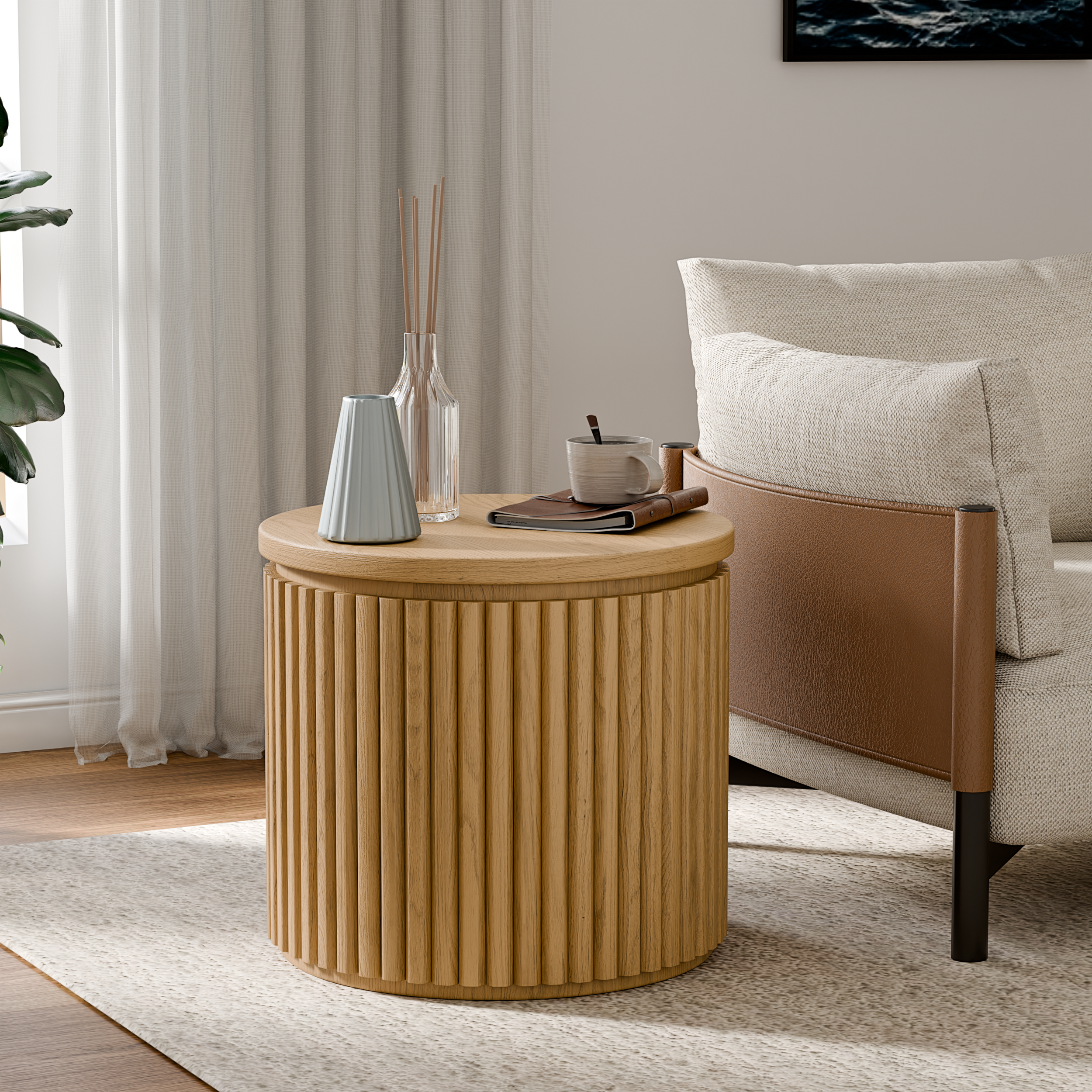
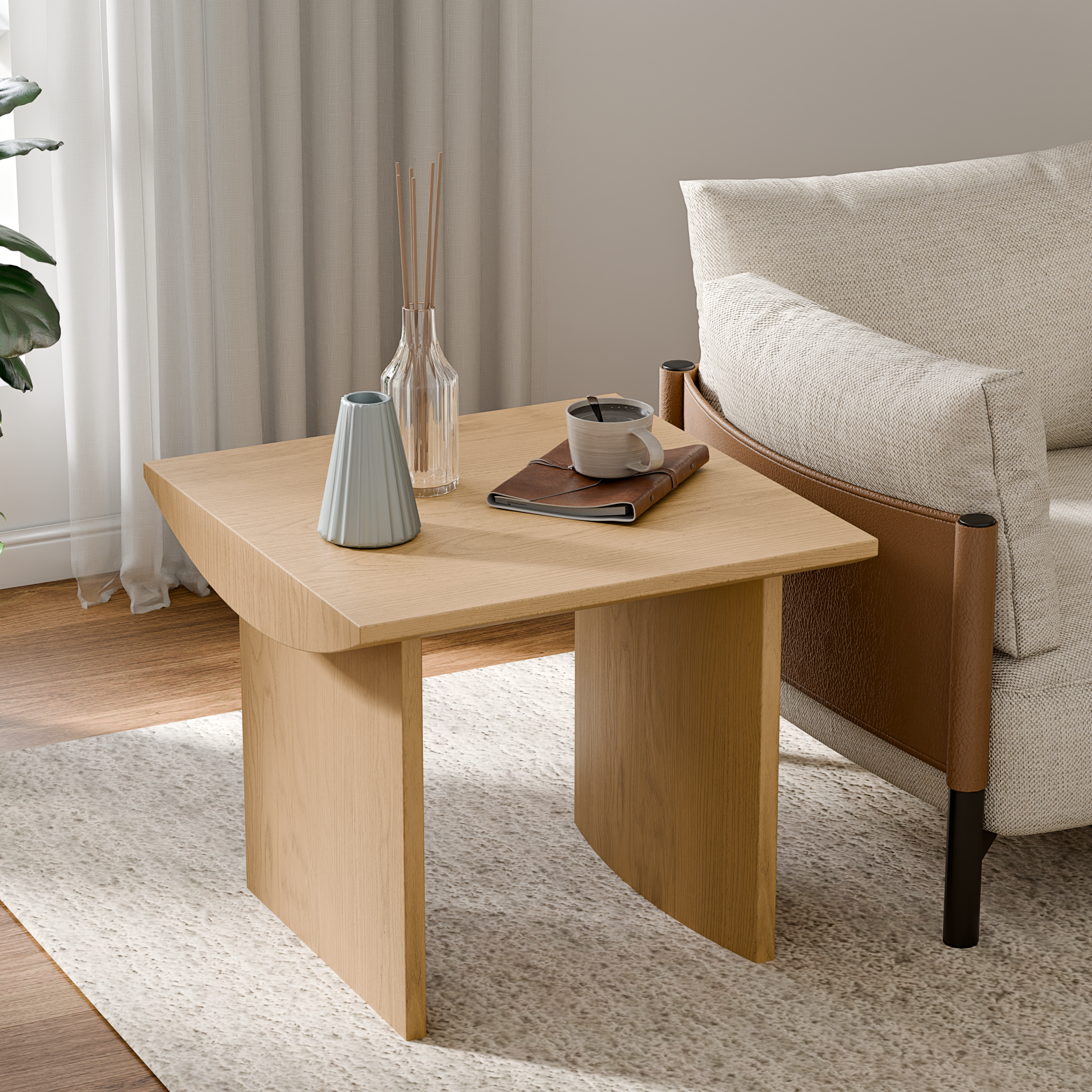
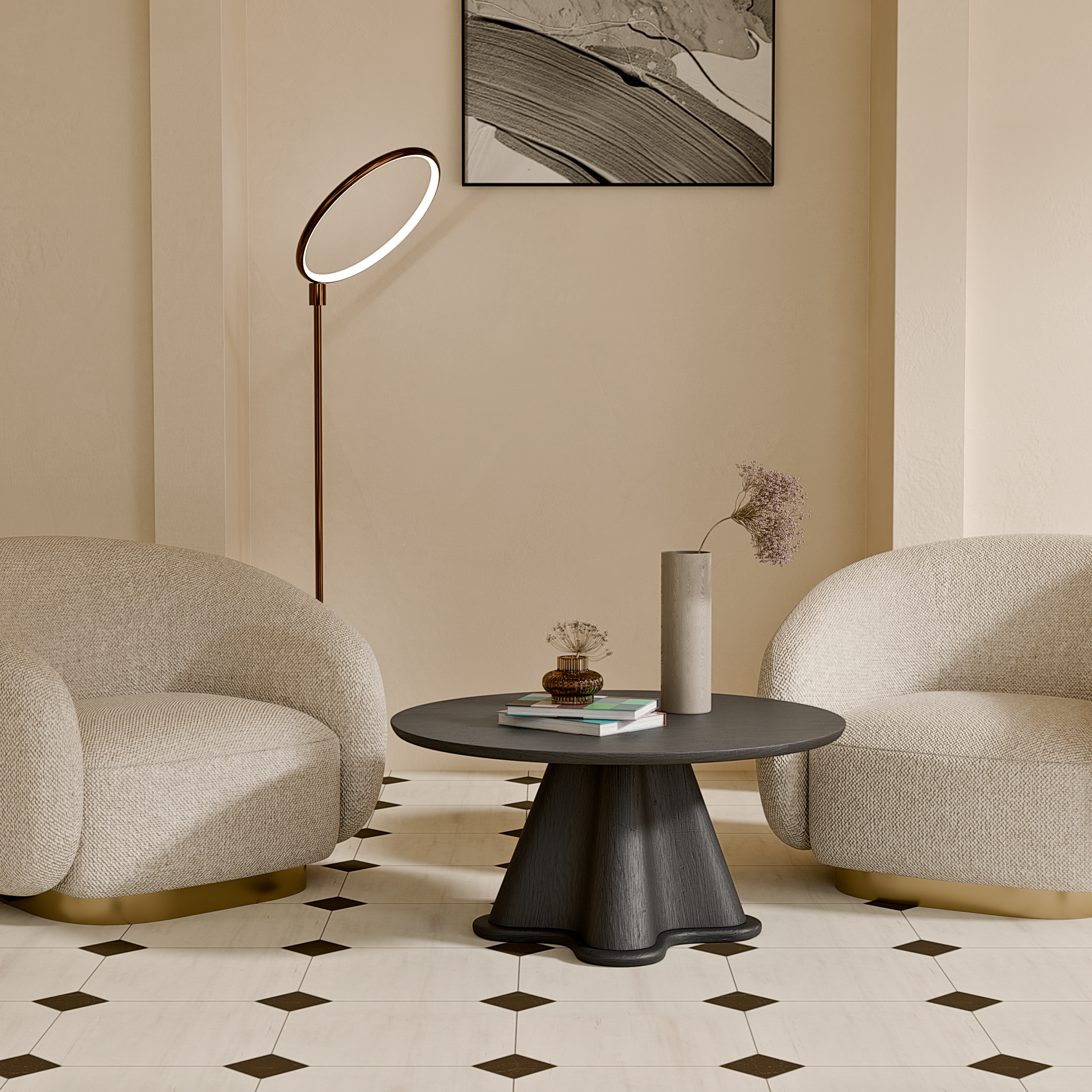
Round side tables: the safest and most versatile choice
Best for:
Small spaces
Next to sofas or lounge chairs
Homes with children or elderly family members
Round side tables have no sharp corners, which makes them visually softer and safer to use. They help small rooms feel more open and are easy to move around without interrupting foot traffic.
From a design perspective, round tables balance out straight-lined furniture and create a more relaxed atmosphere. Solid wood round side tables are especially popular because they highlight natural wood grain and feel light and timeless.
Square side tables: stable and highly functional
Best for:
Sectional or modular sofas
Symmetrical layouts
Users who need more surface space
Square side tables offer excellent surface efficiency. They can comfortably hold lamps, books, drinks, and decorative objects at the same time. Their structured shape pairs well with modern or boxy furniture designs.
If your interior style is clean, organized, and modern, a square side table provides a strong sense of balance and order.
Rectangular side tables: flexible and multi-purpose
Best for:
Along long sofas
Bedside use
Narrow or wall-adjacent spaces
Rectangular side tables are slightly longer and slimmer, making them easy to place next to sofas or beds. In many cases, they can function like a compact console table or nightstand.
For tight spaces, a narrow rectangular side table is a smart solution—practical without feeling bulky.
Oval side tables: soft lines with a modern feel
Best for:
Modern and minimalist interiors
Those who want something more refined than a round table
Oval side tables combine the softness of a round shape with the length of a rectangular one. They offer smoother edges while providing more usable surface area.
Visually, oval tables feel lighter and more elegant, making them a popular choice for contemporary interiors that value subtle design details.
Irregular-shaped side tables: for visual interest
Best for:
Design-focused interiors
Accent or statement pieces
Irregular side tables emphasize form and creativity over pure practicality. They are best used as accent pieces that add character and personality to a room.
To avoid visual clutter, these shapes work best when paired with simpler furniture.
How to choose the right shape quickly
Here are a few simple guidelines to remember:
Small room → Round or oval
Need more surface space → Square or rectangular
High traffic area → Rounded edges
Design statement → Oval or irregular shape
Choosing the right shape improves both comfort and usability while making the space feel more balanced.
There is no universally “best” shape for a side table—only the one that fits your space and lifestyle best. By considering room size, furniture layout, and daily use, you can make a choice that looks good and works well long term.
For solid wood side tables, especially oak, round and oval shapes are often preferred for their durability, timeless appearance, and ability to showcase natural wood grain—making them a reliable option for both homes and long-term furniture collections.